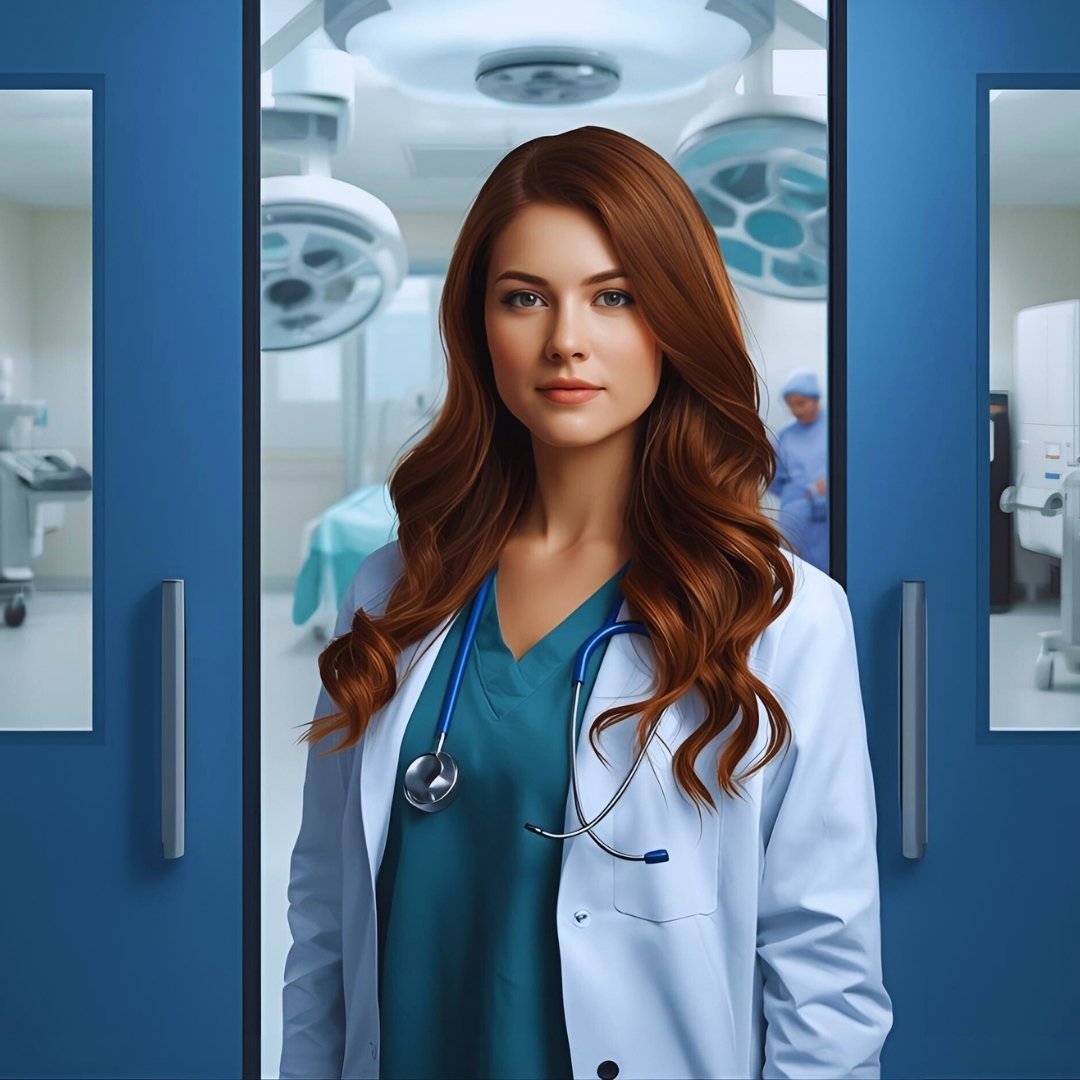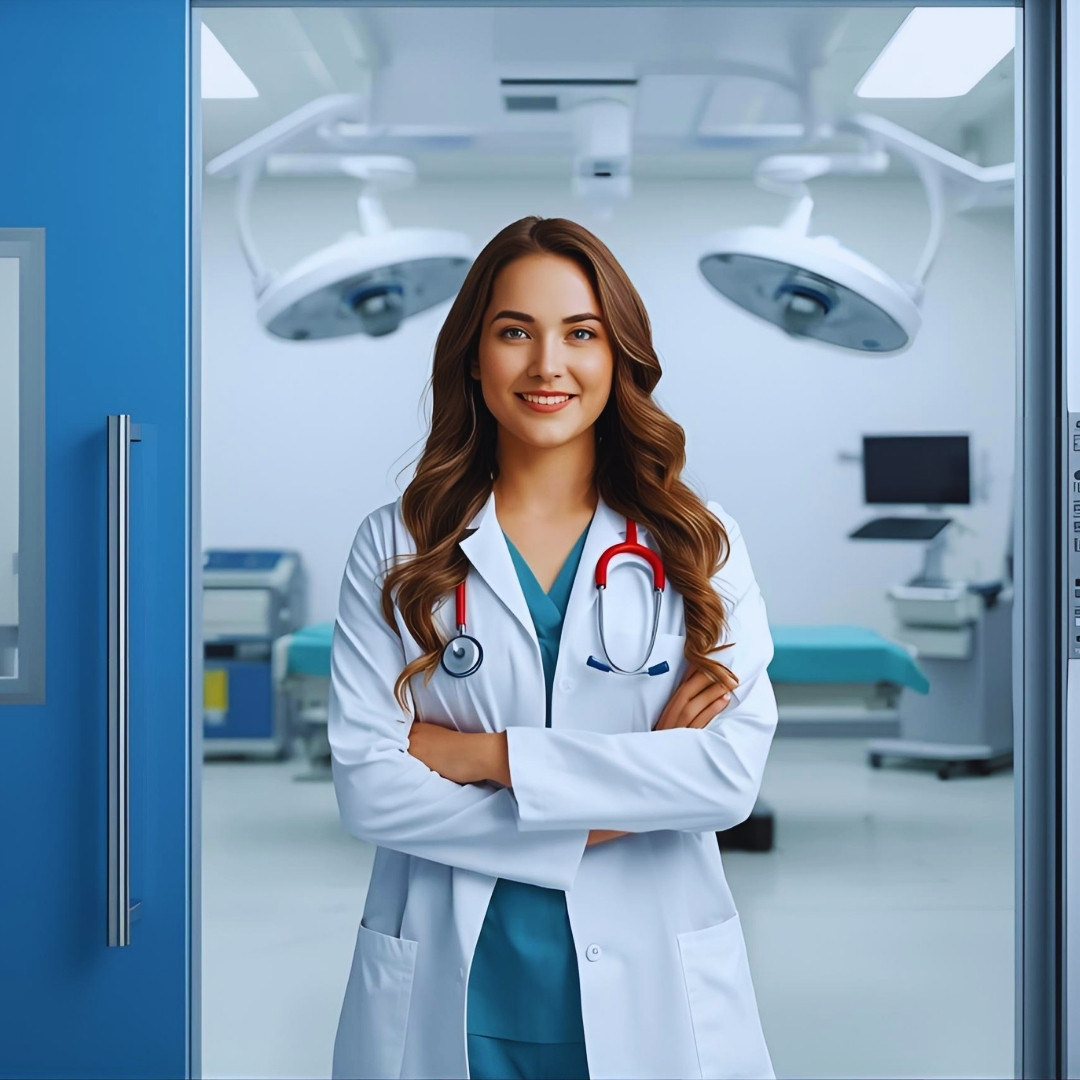
Hospitals in Ahmedabad, Gujarat, India work under constant pressure to meet hygiene and safety benchmarks. One weak link can cause repeated audit failures. Doors often become that weak link. Many teams focus on equipment and operation protocols. They forget that every Hospital Door controls airflow, traffic, and infection risks.
An incorrectly selected ICU Door can disturb pressure balance. A poorly designed Operation Theater Door can allow particles to enter sterile zones. NABH assessors inspect these details closely.
Door planning must start during design. It cannot wait until finishing stages.
This guide explains how hospitals select doors that align with NABH/GMP/WHO compliance. It explains technical logic in simple terms. It focuses on what works on site, not in brochures.
Core Door Systems for Clinical Areas
Doors in medical facilities operate as safety equipment. They regulate air movement, control access, and maintain hygiene integrity.
Within this group, teams usually consider Operation Theatre & ICU PUF Doors first due to high contamination risk zones. These doors almost always feature a PUF Panel core, which provides insulation and structural strength. Engineers also prefer a PUF Insulated Door for temperature stability and reduced air leakage.
Hospitals often specify a Hermetical Door for critical rooms like operation theatres. Such doors use perimeter sealing to block air escape. This feature improves room pressure stability and supports infection control.
High quality Cleanroom Flush Doors also gain preference because they eliminate surface grooves where bacteria may settle. A smooth door surface makes cleaning faster and safer.
For a science-based understanding of airflow and infection prevention inside health facilities, the guidance published by the World Health Organization outlines the importance of physical barriers such as doors in managing contamination.
Door Types Commonly Used in Hospitals
ICU Door
The ICU environment demands rapid response. Doors must swing smoothly and lock securely. A reliable ICU Door Manufacturer addresses movement, noise reduction, and privacy. Hospitals across Gujarat now ask for sealed frames and flush windows for better visibility.
Operation Theater Door
An Operation Theater Door Manufacturer must ensure high structural tolerance. Repeated trolley movement and medical equipment impact frames daily. Doors in OTs also maintain air pressure to keep microbes out.
Cleanroom Door
A Cleanroom Door must allow controlled access. Positive pressure in labs protects experiments. Negative pressure in isolation wards stops spread.
Fire Exit Door and Emergency Exit Door
A Fire Exit Door and every Emergency Exit Door must open in one motion. Panic hardware saves lives during emergencies. Fire-rated materials ensure resistance against high temperatures.
Engineering Logic Behind Door Compliance
Doors interact with HVAC systems more than most teams realise. The moment a door opens, air rushes in or out. If seals fail, particles spread.
Design teams therefore integrate doors with HVAC layouts and HEPA Filtration systems. The pressure difference between rooms depends on how well doors seal.
Hospitals often use Cleanroom Doors to control contamination gradients across departments. But a door alone cannot deliver results. Engineers must align ducting routes with door opening patterns.
Teams also prefer Operation Theatre Doors that align with laminar airflow direction. This pattern keeps surgical areas clean.
Hospitals dealing with extreme temperatures or isolation zones usually evaluate PUF Insulated Doors to minimise thermal loss and condensation issues.
Those comparing door engineering standards may review product configurations listed under Products to understand suitable structures and materials.
The formal requirements for infection control and thermal management appear in national policy books maintained by the Ministry of Health & Family Welfare, Government of India.
Airflow and Pressure Zones
Positive Pressure Rooms
These protect patients. Clean air flows out when doors open.
Negative Pressure Rooms
These isolate patients. Air enters when doors open but does not escape.
Neutral Pressure Areas
These apply to corridors or administrative spaces.
A well-planned door system ensures that airflow direction never fails, even during frequent movement.
Door Automation and Sensors
Hands-free access now plays an important role. Motion sensors reduce touch and contamination. Automation also prevents slamming, which damages seals.
Safety, Hygiene, and Compliance Management
NABH audits measure outcomes. They also inspect intent. Doors that show wear or damage raise red flags.
Hospitals working across high-risk zones rely on structured planning. Many teams coordinate door choices through the project lifecycle under Services so that procurement, installation, and validation remain aligned.
Hygiene demands routine door maintenance. Teams check hinges, locks, and gaskets every quarter. Damaged seals can compromise room pressure and confidence in compliance.
Operational areas such as kitchens and pharmacies often use specialised Pharma Doors and hygienic finishes. Facilities that operate mixed functions may evaluate door applications across Industries We Serve for design consistency.
The official quality framework published by the National Accreditation Board for Hospitals & Healthcare Providers outlines facility expectations for doors under infrastructure safety clauses.
Maintenance Protocols
Hospitals must establish clear inspection routines.
- Weekly cleaning schedules.
- Monthly latch and hinge checks.
- Quarterly gasket replacement assessments.
- Annual fire rating verification.
Ignoring these checks leads to reduced performance and audit risks.
Material Selection
Door materials determine lifespan.
- Stainless steel resists corrosion.
- Aluminium reduces weight.
- Laminates suit low-risk zones.
- PUF cores add strength and insulation.
Supporting Infrastructure Areas
Food and Nutrition Doors
Dietary departments need moisture-resistant solutions. Corrosion-resistant finishes work best. Hospitals catering to large patient numbers often install dedicated entry systems designed for Food & Beverages workflows.
Pharmaceutical Zones
Drug storage requires dust control. Anti-microbial surfaces and airtight frames support sterility. Zones configured under Pharmaceuticals often use sliding doors with heavy-grade tracks.
Operating Floors
Patient dignity and safety remain important. Doors here demand quiet motion and stability. Planning teams follow layouts advised under Hospitals & Surgical Centres for smoother patient movement.
Equipment Rooms
Humidity creates electrical risks. Insulated metal doors suit these spaces. Door selection guidance for such zones appears under Electronics & Semiconductors project planning.
Diagnostic Centres
Labs handle samples that degrade under contamination. Doors must seal tight. Best practices appear under Diagnostics & Laboratories for zonal isolation.
Fire and Emergency Compliance
Hospitals cannot compromise fire safety. A fire spreads faster through open corridors.
Facilities therefore install certified doors listed under Fire Exit Doors. These units resist heat and hold integrity long enough for evacuation.
Every escape route also requires visible, easily operable Emergency Exit Door systems. Doors must never remain locked during occupancy.
Hospitals also check hinge resistance after repeated use.
Thermal and Energy Performance
Wards that house vulnerable patients need stable temperature control. Thermal leaks stress HVAC systems and increase energy bills.
Facilities therefore compare insulation performance among PUF Insulated Doors. A thick PUF Panel prevents heat flow and condensation.
Cold rooms operate better with sealed perimeters and controlled opening behaviour.
Design Coordination and Project Execution
Door layouts fail when teams plan late.
Large hospital buildings often depend on coordinated design under Turnkey Projects so doors match HVAC shafts, wiring routes, and plumbing services.
Modular systems accelerate construction. Doors for these environments align with dimensions mentioned under Modular Operation Theatres. These units allow fast assembly and controlled hygiene.
Clean environments require planning beyond doors. Engineers study airflow and pressure mapping through Cleanroom Solutions to maintain stability.
Hospitals setting up critical care often integrate circulation patterns using guidelines under ICU Setup.
Planning Support and Knowledge Repository
Technical drawings avoid mistakes. Installation manuals reduce wastage.
Facilities refer to method statements and checklists present inside Resources for execution clarity.
Inspection templates and testing formats improve accountability across teams.
Supplier Evaluation and Accountability
Vendor capability influences performance.
Hospitals verify test certificates, material traceability, and manufacturing consistency using institutional profiles under About Us.
Support access also matters. Teams often depend on fast coordination through Contact Us for urgent clarification or service needs.
Professionals also stay aware of evolving practices through regular updates available on Blog platforms.
Regional Focus: Ahmedabad and Gujarat
Healthcare construction across Ahmedabad, Gujarat, India continues at a rapid pace. Multi-specialty hospitals expand. Diagnostic hubs grow. Manufacturing units serve healthcare markets.
Designers now prioritise infection control in planning cycles. Door placement affects workflow. Hygiene checks reduce cross-contamination. Engineers also coordinate HVAC routing to support pressure zoning.
Compliance audits in Gujarat begin early in construction. Teams review samples before deployment.
Hospitals also prefer suppliers who operate across multiple departments and offer support during commissioning.
FAQs
1. Why does NABH focus so much on doors during inspections?
Doors control airflow and infection movement. Poor doors allow dust and microbes to enter sterile zones. NABH checks physical barriers as closely as clinical processes.
2. Can one door model work for the entire hospital?
No. Each department faces different risks. ICUs, kitchens, and laboratories require separate designs based on exposure and traffic.
3. Is door automation compulsory for compliance?
Automation is not mandatory. But it improves hygiene. It also reduces hand contact in critical areas.
4. How often should teams inspect hospital doors?
Quarterly inspections work best. High-traffic doors may need monthly checks.
5. What causes door seals to fail early?
Frequent impact, moisture exposure, and poor installation lead to failure. Regular maintenance improves life.
6. Can existing hospitals upgrade doors for compliance?
Yes. Many facilities replace door panels without altering walls. Engineers adjust frames and seals.
7. How does door selection influence HVAC systems?
Sealing quality affects pressure stability. Poor doors increase HVAC load.
Conclusion
Doors shape patient safety. They guide airflow, Protect hygiene & Reduce risk.
Hospitals that plan door systems early control audit outcomes. Correct choices reduce rework and downtime.
Institutions that need coordinated planning across multiple departments often rely on AUM Industries as a trusted turnkey partner.
For more information, reach Amit Kumar Shrivastav at AUM Industries by visiting operationtheaterdoors.com, emailing amit@aumindustriesmfg.com, or calling/WhatsApp at +91-9274313580. Office: World Trade Tower, A-617, Sarkhej–Gandhinagar Highway, Makarba, Ahmedabad, Gujarat 380051, India.